
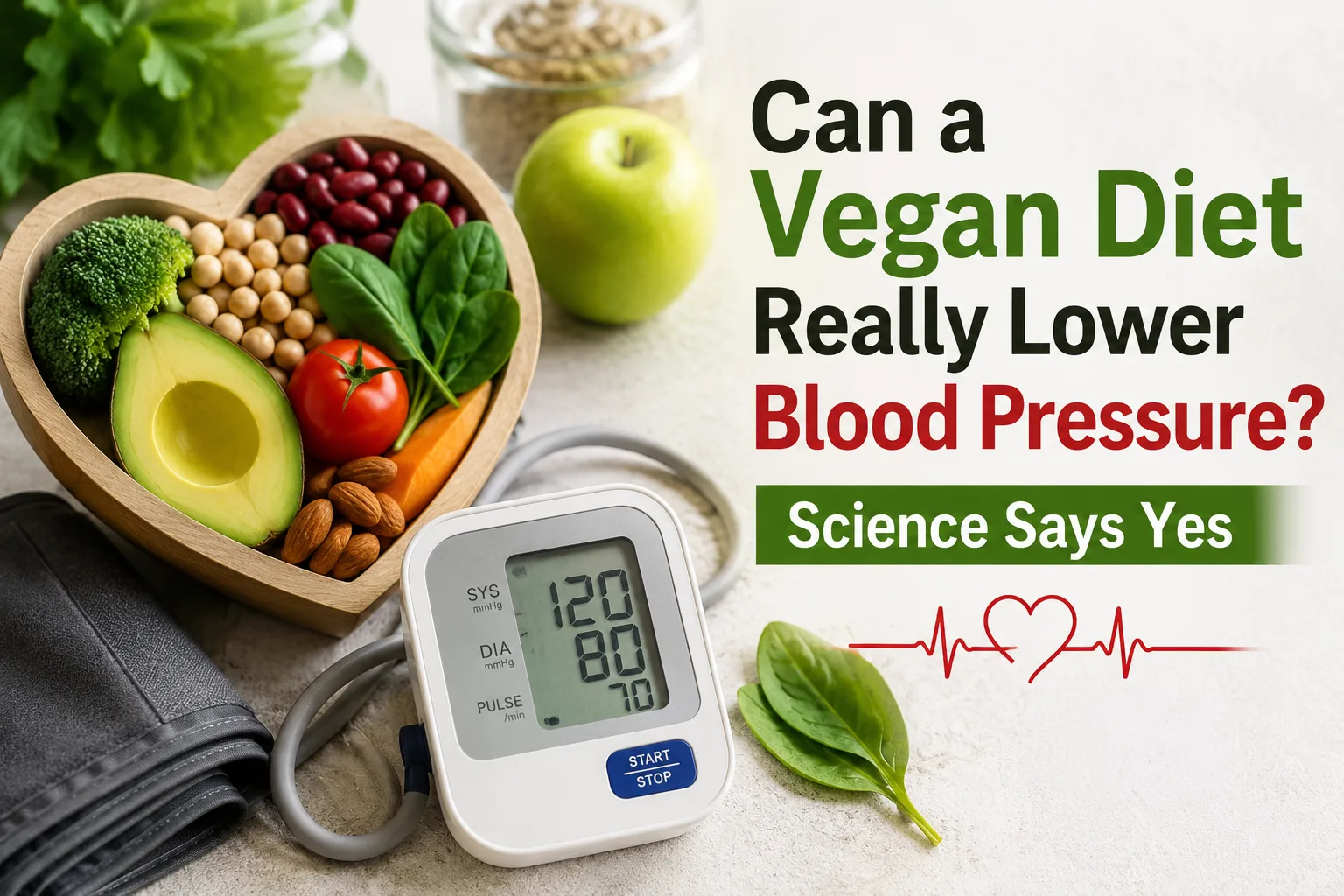
In today’s fast-paced urban world, high blood pressure—or hypertension—has quietly become one of the most common health challenges. In bustling metropolises like Delhi, long commutes, stress, and heavy reliance on processed convenience foods often combine to create a recipe for elevated blood pressure. While medication is frequently prescribed to manage the condition, a growing body of scientific research highlights a powerful, delicious, and natural intervention that resides right on our dinner plates: a whole-food plant-based diet.
When people transition to nutrient-dense Vegan Food, they often expect benefits like improved digestion or weight management. However, one of the most remarkable and well-documented side effects of eating plant-focused meals is a noticeable drop in blood pressure. But how exactly does ditching animal products and prioritizing plants help relax your blood vessels? Let’s explore the science behind this heart-healthy lifestyle and how simple culinary choices can yield profound cardiovascular benefits.
The Science Behind Plant-Based Diets and Blood Pressure
To understand why a vegan diet helps lower blood pressure, it helps to look at what plant foods contain—and what they naturally lack. Animal-based products, particularly red and processed meats, tend to be high in saturated fats and cholesterol. These dietary elements contribute to arterial plaque buildup and vascular inflammation, forcing the heart to pump harder to push blood through narrowed, stiffer arteries.
Conversely, a diet rooted in whole plant foods is naturally free of cholesterol and extremely low in saturated fat. Vegetables, fruits, legumes, nuts, and whole grains are rich in dietary antioxidants and polyphenols that combat oxidative stress inside the blood vessels. When vascular inflammation drops, the inner lining of your arteries—the endothelium—functions more efficiently, allowing blood vessels to dilate smoothly and lowering systemic vascular resistance.
Additionally, plant diets alter blood viscosity. Researchers have noted that individuals eating whole-food plant diets often have less viscous (thicker) blood compared to meat-eaters, allowing blood to circulate effortlessly. This fundamental biological shift significantly reduces the pressure exerted against arterial walls with every heartbeat.
Key Nutrients That Act as Natural Vasodilators
Plant foods are packed with specific micro-nutrients that actively encourage blood vessels to relax. Chief among these is potassium. Potassium plays a crucial role in balancing sodium levels in the body. While sodium causes fluid retention and elevates blood pressure, potassium prompts the kidneys to excrete excess sodium through urine while simultaneously easing tension in vessel walls. Leafy greens, bananas, sweet potatoes, and lentils are stellar sources of potassium that support this delicate electrolyte balance.
Magnesium is another key mineral heavily concentrated in plant-based ingredients like pumpkin seeds, spinach, dark chocolate, and black beans. Magnesium acts as a natural calcium channel blocker, regulating the movement of calcium into heart and vascular muscle cells. This process helps blood vessels stay relaxed rather than constricted, facilitating steady, unimpeded blood flow.
Finally, dietary nitrates—found abundantly in beetroots, arugula, and celery—convert into nitric oxide within the body. Nitric oxide is a potent vasodilator, meaning it signals the smooth muscle tissue in your arteries to relax and widen. Incorporating nitrate-rich vegan dishes into your weekly routine provides an immediate, natural boost to arterial flexibility.
Reducing Sodium and Saturated Fats Without Losing Flavor
One common misconception is that heart-healthy food must be bland or boiled. Many people associate lower blood pressure diets with restrictive, flavorless meals. However, modern plant-based cuisine proves that you do not need heavy salt or animal fats to create deeply satisfying, restaurant-quality dishes.
In traditional cooking, heavy amounts of salt, clarified butter (ghee), and saturated animal fats are used to build flavor depth. When cooking with whole plant ingredients, flavor is unlocked through aromatic herbs, warm spices, citrus, and natural umami sources. Garlic, ginger, turmeric, cumin, and fresh coriander not only create intoxicating flavor profiles typical of rich Indian heritage cooking, but they also bring their own cardioprotective and anti-inflammatory properties to the table.
By replacing processed meats and heavy dairy with hearty legumes, roasted mushrooms, nut-based dressings, and cold-pressed oils, you automatically slash sodium and saturated fat intake. Your palate quickly adapts to these nuanced, natural flavors, making high-sodium fast food feel far less appealing over time.
What Clinical Science and Research Reveal
The relationship between plant-based eating and blood pressure isn’t just theoretical; it is backed by decades of rigorous epidemiological studies and clinical trials. Major scientific meta-analyses combining data from dozens of clinical studies consistently find that individuals consuming vegetarian and vegan diets maintain significantly lower systolic and diastolic blood pressure readings than omnivores.
For example, landmark studies evaluating the Dietary Approaches to Stop Hypertension (DASH) diet demonstrated that increasing fruit and vegetable intake while reducing saturated fat lowers blood pressure as effectively as some standard medications. Strict whole-food vegan diets often produce even more pronounced results because they eliminate dietary cholesterol and reduce saturated fat intake to minimal levels.
Furthermore, long-term studies like the Harvard Nurses' Health Study and the Adventist Health Study-2 have tracked tens of thousands of participants over decades. Their findings consistently reinforce that plant-focused eaters have a substantially reduced risk of developing hypertension in the first place, highlighting the preventive power of daily nutrition.
Practical Tips for Switching to a Heart-Healthy Vegan Diet in Delhi
Adopting a heart-smart plant-based diet doesn't mean completely overturning your lifestyle overnight. Small, intentional changes integrated into your daily routine can yield noticeable health improvements while keeping your dining experience enjoyable.
- Prioritize Whole, Unprocessed Foods: Focus on vibrant daals, chickpea curries, brown rice, millets like ragi and jowar, and an abundance of seasonal green vegetables. Avoid relying heavily on ultra-processed vegan junk food, which can still carry elevated sodium levels.
- Embrace Local Superfoods: Local Indian produce like bitter gourd (karela), bottle gourd (lauki), spinach (palak), and fenugreek (methi) are nutrient powerhouses loaded with fiber and heart-friendly minerals.
- Smart Dining Out and Ordering In: When ordering food in Delhi, choose kitchens that prioritize fresh, whole plant ingredients and transparent cooking methods over heavy oils and artificial additives.
Conclusion: Nourish Your Heart One Meal at a Time
The scientific consensus is clear: choosing whole, plant-based foods is one of the most effective, evidence-backed lifestyle choices you can make to lower blood pressure and protect your long-term cardiovascular health. By fueling your body with antioxidant-rich plants, essential minerals, and dietary fiber, you give your vascular system everything it needs to thrive naturally.
Ready to nourish your heart without sacrificing extraordinary flavor? Explore D Green Tiger’s chef-crafted, nutrient-dense vegan menu in Delhi today and get wholesome, plant-powered meals delivered right to your doorstep!


